
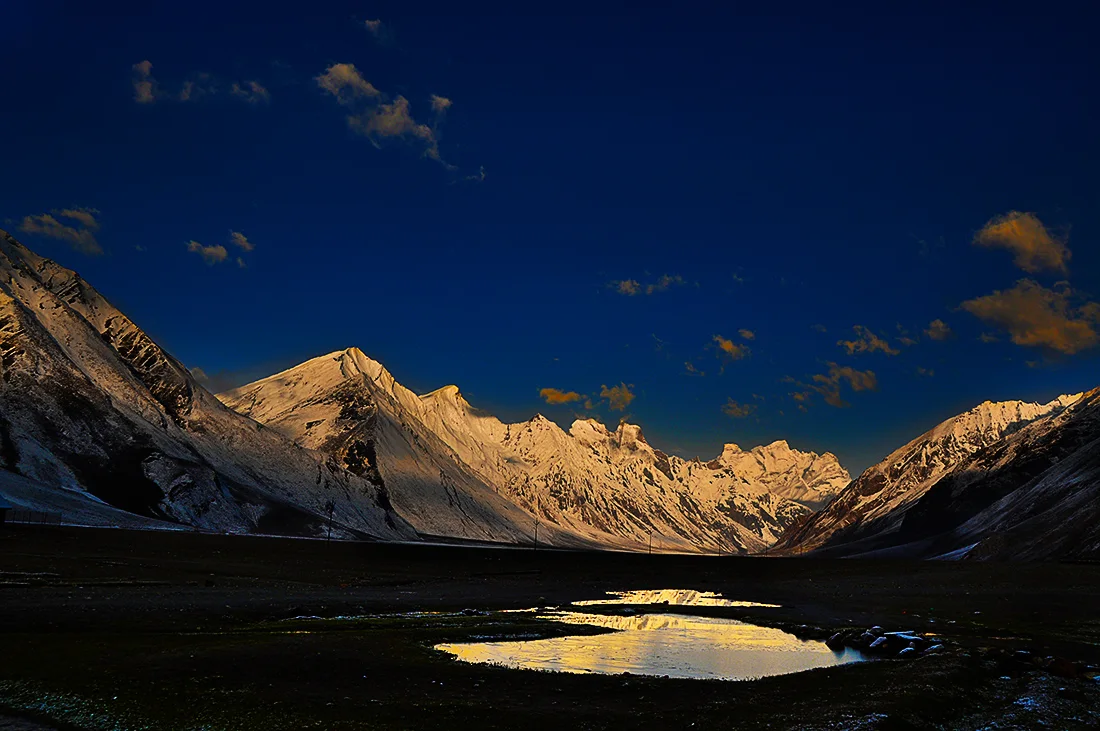
Zanskar is best for travellers who want a deeper Ladakh journey built around remote valleys, monasteries and long mountain-road sectors rather than a short sightseeing circuit.
Why visit Zanskar?
Zanskar rewards time. Its scale, road distances and mountain terrain make it better suited to extended itineraries that use Padum and other operational halts as bases. The region is especially attractive to adventure travellers, photographers and visitors interested in monasteries and traditional valley settlements.
What to see in Zanskar
- Padum and the central Zanskar valley
- Karsha, Stongdey, Sani and other monastery areas
- Rugged Zanskar and Suru approach landscapes
- Pensi La / Shingo La sectors where the chosen route is operational
- Remote villages, river valleys and trekking scenery
How many days do you need?
Allow at least 4–5 dedicated days for a meaningful Zanskar road journey, in addition to the travel needed to connect with Leh, Kargil, Srinagar or Manali.
Best time to include Zanskar
Summer into early autumn offers the broadest practical road access. Exact approach routes can vary as roads develop and seasonal conditions change.
How to combine Zanskar in a Ladakh itinerary
Zanskar can be combined with Kargil and Leh on a western approach or with the Manali–Darcha side on selected longer road expeditions.
Zanskar travel questions
How many days are needed for Zanskar?
A meaningful road itinerary normally needs several dedicated days; Zanskar is not a realistic add-on to a very short Ladakh holiday.
Is Zanskar suitable for first-time Ladakh visitors?
Yes for travellers comfortable with long mountain drives and remote stays, but a classic Leh–Nubra–Pangong trip is simpler for a first short visit.
What is Zanskar known for?
Remote valleys, monasteries, rugged road journeys, trekking terrain and dramatic Himalayan landscapes.